
![MK-2866 [Ostarine] 25mg](https://shdwresearch.com/wp-content/uploads/2026/05/mk2866-25mg-30.png)
MK-2866 [Ostarine] 25mg
Price range: $39.99 through $69.99
Ostarine is a selective androgen receptor modulator designed to selectively stimulate anabolic activity in skeletal muscle and bone without impacting other androgenic tissues. It is studied in vitro for its receptor-specific transcriptional activity, muscle maintenance potential, and catabolic resistance pathways.
For laboratory research use only. Not for human or veterinary use.
Certificate of Analysis
Batch documentation is available for every compound so you can verify identity and purity.
≥99% Purity Standard
Every compound is held to a ≥99% purity standard before it reaches the catalog.
Shipping & Handling
Orders are processed within 1–2 business days and shipped via USPS Priority Mail.
Research Use Only
Strictly for in vitro research and laboratory use. Not for human or veterinary consumption.
Description
Ostarine, also commonly referenced as MK-2866 in research literature, is a selective androgen receptor modulator, or SARM, studied for its ability to interact with androgen receptors in a tissue-selective manner. Unlike traditional androgenic compounds that may activate androgen receptors broadly across multiple tissues, Ostarine is frequently examined for its more selective activity in skeletal muscle and bone-related research models. This selectivity makes it a compound of interest in studies focused on anabolic signaling, tissue maintenance, receptor modulation, and molecular pathways associated with muscle and bone biology.
In laboratory environments, Ostarine is commonly studied for its receptor-specific transcriptional activity and its influence on androgen receptor-mediated signaling. Researchers may examine how Ostarine binds to androgen receptors, how it affects downstream gene expression, and how those changes relate to cellular activity in muscle and bone models. These studies help provide insight into how selective receptor modulators may influence anabolic pathways while limiting activity in other androgen-sensitive tissues under controlled experimental conditions.
Ostarine is also frequently evaluated in research involving muscle maintenance, lean tissue preservation, and catabolic resistance pathways. In vitro and preclinical models may explore how androgen receptor activation influences protein synthesis, muscle cell signaling, and biological responses associated with tissue breakdown or cellular stress. Because of this, Ostarine is often referenced in studies examining skeletal muscle regulation, recovery-related pathways, and mechanisms involved in maintaining tissue integrity during catabolic conditions.
Another area of research interest involves Ostarine’s potential role in bone-related signaling and cellular remodeling. Since androgen receptors are present in bone tissue and are involved in bone density regulation, researchers may use Ostarine in models studying osteoblast activity, bone maintenance pathways, and receptor-mediated effects on skeletal structure. This makes it relevant in broader investigations involving musculoskeletal biology and selective androgen receptor activity.
Due to its defined mechanism, receptor selectivity, and relevance to anabolic signaling research, Ostarine remains an important reference compound in studies involving androgen receptor modulation, skeletal muscle biology, bone pathway research, transcriptional activity, and controlled molecular evaluation. Its use in research settings supports a better understanding of how selective androgen receptor modulators may influence tissue-specific signaling, muscle maintenance models, and pathways related to anabolic and anti-catabolic cellular responses.
These statements have not been evaluated by the Food and Drug Administration. This product is not intended to diagnose, treat, cure, or prevent any disease. Not for human consumption
Additional information
| MK-2866/Ostarine | 30 units, 60 units |
|---|
Related products
-
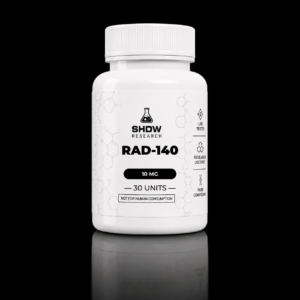 CAPSULES
RAD-140 10mg
Price range: $56.99 through $89.99 Select options This product has multiple variants. The options may be chosen on the product page -
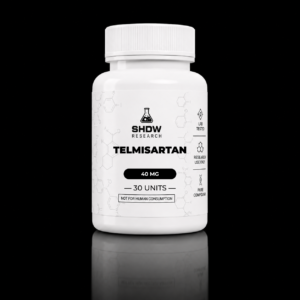 CAPSULES
Telmisartan 40mg
Price range: $39.99 through $74.99 Select options This product has multiple variants. The options may be chosen on the product page -
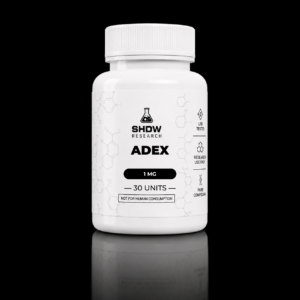 CAPSULES
ADEX
$39.99 Add to cart -
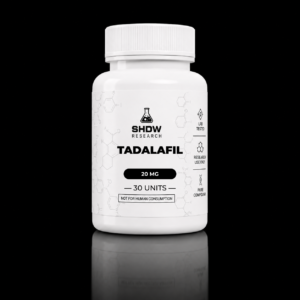 CAPSULES
Tada
Price range: $24.99 through $89.99 Select options This product has multiple variants. The options may be chosen on the product page
Reviews
There are no reviews yet.