
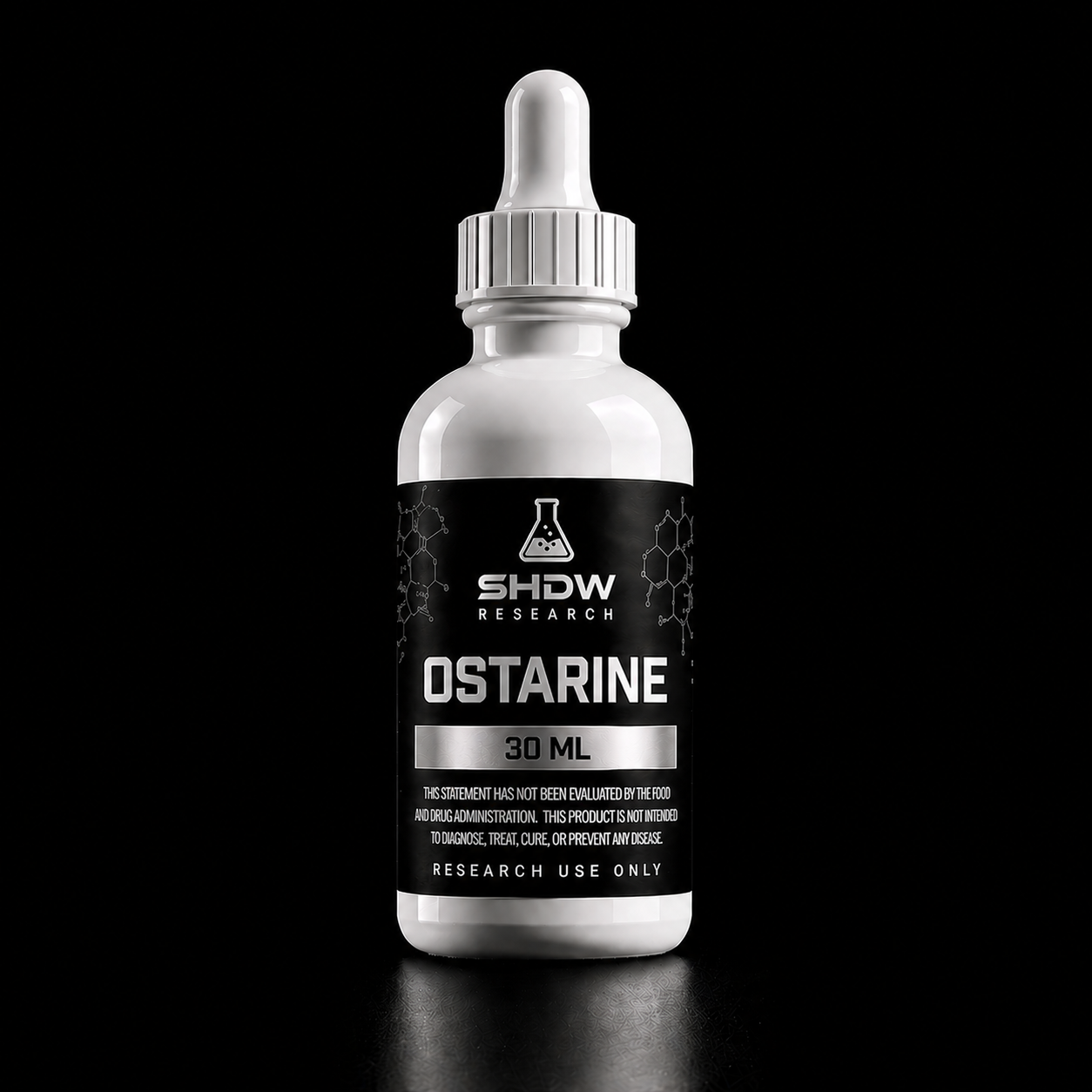
Ostarine
$39.99
Ostarine is a selective androgen receptor modulator designed to selectively stimulate anabolic activity in skeletal muscle and bone without impacting other androgenic tissues. It is studied in vitro for its receptor-specific transcriptional activity, muscle maintenance potential, and catabolic resistance pathways.
For laboratory research use only. Not for human or veterinary use.
Certificate of Analysis
Batch documentation is available for every compound so you can verify identity and purity.
≥99% Purity Standard
Every compound is held to a ≥99% purity standard before it reaches the catalog.
Shipping & Handling
Orders are processed within 1–2 business days and shipped via USPS Priority Mail.
Research Use Only
Strictly for in vitro research and laboratory use. Not for human or veterinary consumption.
Description
Ostarine, also known as MK-2866 in research literature, is a selective androgen receptor modulator, or SARM, studied for its ability to interact with androgen receptors in a tissue-selective manner. It was developed for research into anabolic signaling pathways, particularly those associated with skeletal muscle and bone tissue. Unlike traditional androgenic compounds that may broadly activate androgen receptors across multiple tissues, Ostarine is commonly examined for its more targeted receptor activity and its potential to support anabolic responses in specific tissue models while reducing unwanted androgenic activity in other systems.
In laboratory research, Ostarine is frequently studied for receptor-specific transcriptional activity, meaning researchers examine how the compound binds to androgen receptors and influences downstream gene expression. These pathways are important for understanding protein regulation, cellular growth signaling, and biological mechanisms involved in tissue maintenance. In vitro models often explore how Ostarine may affect markers related to muscle cell preservation, protein synthesis, and anabolic pathway activation under controlled experimental conditions.
Another major research focus of Ostarine involves muscle maintenance and catabolic resistance pathways. Catabolism refers to the breakdown of tissue or cellular components, often occurring during stress, nutrient limitation, or other experimental conditions. Researchers study Ostarine to better understand how selective androgen receptor activation may influence cellular responses related to tissue preservation, recovery signaling, and resistance to breakdown in skeletal muscle models.
Ostarine is also commonly referenced in bone-related research due to the role androgen receptors play in skeletal tissue regulation. Experimental models may evaluate its influence on bone-supportive pathways, osteoblast activity, and molecular mechanisms involved in maintaining structural integrity. This makes Ostarine useful in broader musculoskeletal research involving both muscle and bone interaction pathways.
Due to its defined mechanism as a selective androgen receptor modulator, Ostarine remains an important reference compound in studies focused on androgen receptor signaling, tissue-selective activation, anabolic pathway research, muscle maintenance models, catabolic resistance, and bone-related cellular activity. Its use in controlled laboratory environments helps researchers better understand how selective receptor modulation may influence musculoskeletal biology and androgen-sensitive signaling systems.
These statements have not been evaluated by the Food and Drug Administration. This product is not intended to diagnose, treat, cure, or prevent any disease. Not for human consumption.
Related products
-
 LIQUIDS
Nolva
$44.99 Add to cart -
 LIQUIDS
RAD-140
$56.99 Add to cart -
 CAPSULES
ENCLOMIPHINE
Price range: $49.99 through $89.99 Select options This product has multiple variants. The options may be chosen on the product page -
 LIQUIDS
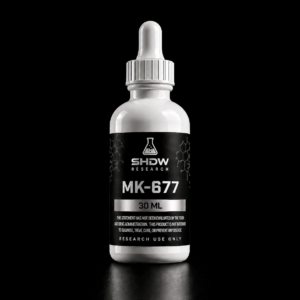
MK-677
$64.99 Add to cart
Reviews
There are no reviews yet.